Manage menopause and hormonal shifts naturally — balancing hormones, protecting bone and heart health, and easing the transition through personalized nutrition.
How Nutrition Supports Hormonal Balance In Menopause?
During menopause, hormonal changes, particularly a decline in estrogen, can lead to symptoms like hot flashes, mood swings, and weight gain. Proper nutrition helps regulate hormones, maintain metabolism, and reduce the severity of menopause-related discomforts. A balanced diet rich in essential nutrients can also support overall well-being during this transition.
Essential Nutrients For Bone And Heart Health
Menopause increases the risk of osteoporosis and heart disease due to lower estrogen levels. Key nutrients for bone and cardiovascular health include:
Calcium: Supports bone density and prevents fractures. Found in dairy, leafy greens, and fortified plant-based milk.
Vitamin D: Enhances calcium absorption and bone strength. Sources include fatty fish, fortified foods, and sunlight exposure.
Magnesium: Aids bone formation and relaxation. Found in nuts, seeds, and whole grains.
Omega-3 Fatty Acids: Reduce inflammation and support heart health. Found in salmon, flaxseeds, and walnuts.
Fiber: Helps manage cholesterol and digestive health. Found in whole grains, fruits, and vegetables.
Best Foods To Manage Menopause Symptoms
Soy Products: Rich in phytoestrogens that mimic estrogen and reduce hot flashes.
Leafy Greens: Provide calcium, magnesium, and antioxidants for bone and heart health.
Berries: High in antioxidants that help combat oxidative stress and aging.
Whole Grains: Help stabilize blood sugar and reduce mood swings.
Nuts and Seeds: Provide healthy fats and protein to support hormonal balance.
Fatty Fish: Rich in omega-3s to reduce inflammation and support brain function.
Protein And Muscle Maintenance After Menopause
Muscle loss accelerates after menopause, making protein intake crucial for maintaining strength and metabolism. Include:
Lean Animal Proteins: Chicken, turkey, eggs, and fish.
Plant-Based Proteins: Lentils, beans, tofu, and quinoa.
Dairy or Alternatives: Greek yogurt, cottage cheese, and fortified plant-based options.
Managing Weight Gain During Menopause
Eating Protein-Rich Meals: Supports muscle mass and satiety.
Prioritizing Fiber: Helps with digestion and blood sugar regulation.
Reducing Processed Foods and Sugar: Prevents weight gain and insulin resistance.
Staying Active: Strength training and cardio exercises help maintain muscle and burn calories.
Hydration And Its Impact On Menopausal Health
Adequate hydration is crucial for skin elasticity, digestion, and temperature regulation. Drink 8–10 glasses of water daily and include hydrating foods like cucumbers, watermelon, and herbal teas.
Foods To Avoid For Better Hormonal Health
Refined Sugars: Cause blood sugar spikes and energy crashes.
Processed Foods: Contain additives and unhealthy fats that contribute to inflammation.
Caffeine and Alcohol: May trigger hot flashes and disrupt sleep.
High-Sodium Foods: Contribute to bloating and high blood pressure.
The Role Of Phytoestrogens In Menopause
Soy Products: Tofu, edamame, and soy milk.
Flaxseeds: Provide lignans that support hormonal balance.
Legumes: Chickpeas and lentils help regulate estrogen levels.
Sesame Seeds: Offer a natural source of phytoestrogens and healthy fats.
Healthy Fats And Their Benefits For Women
Avocados: Provide monounsaturated fats for heart health.
Olive Oil: Anti-inflammatory and heart-protective benefits.
Nuts and Seeds: Support hormonal balance and satiety.
Fatty Fish: Essential for brain and cardiovascular health.
Meal Planning For Menopausal Wellness
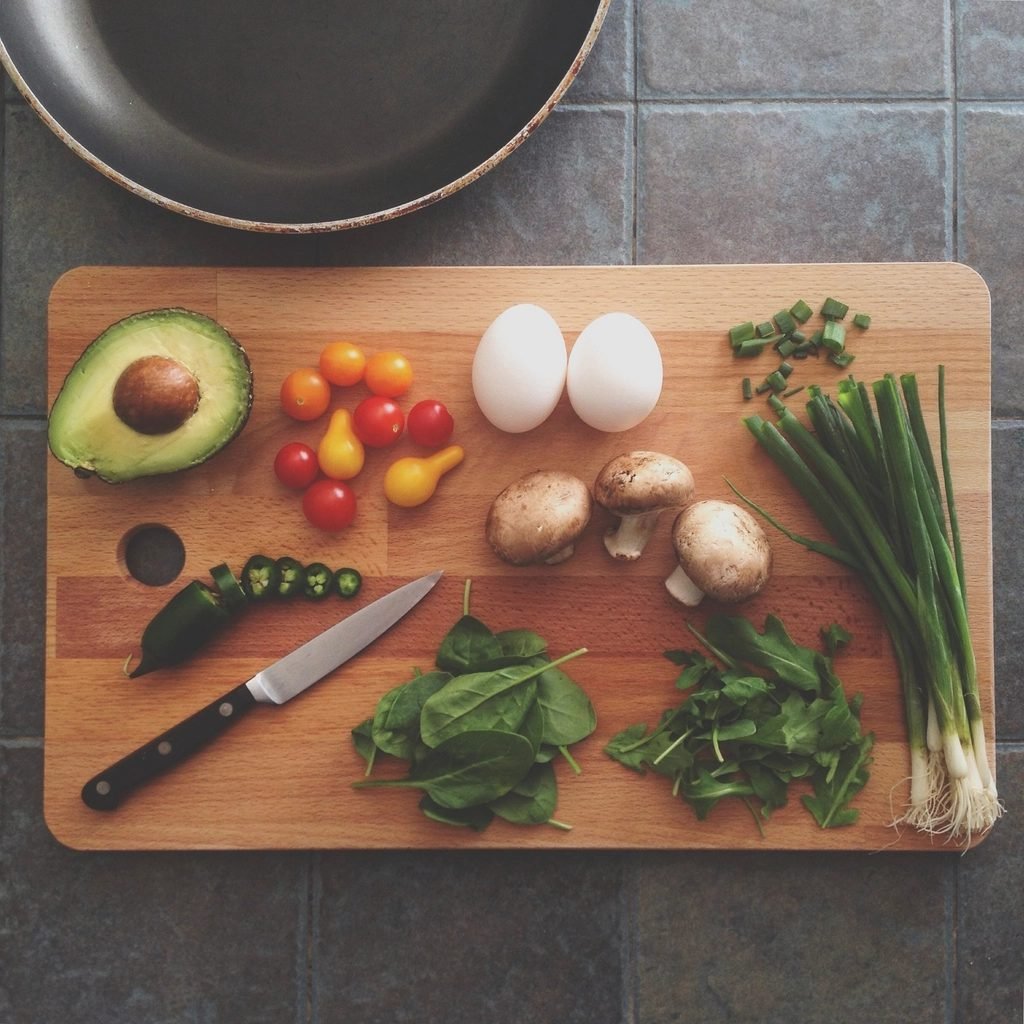
Breakfast: Scrambled eggs with spinach and feta cheese, whole-grain toast, a cup of green tea
Snack: Greek yogurt with flax seeds and berries
Lunch: Grilled salmon with quinoa and steamed broccoli, mixed greens with olive oil and lemon dressing
Dinner: Stir-fried tofu with vegetables (carrots, bell peppers, and bok choy), brown rice
How the program works
Personalized, then adjusted.
Programs run over a fixed term — three or six months, depending on the stage you are in.
The plan is personalized and evidence-based, shaped around your history and your medical context.
Nutrition can be combined with holistic practices such as acupressure and chakra healing.
Nutrition guidance complements, and does not replace, the treatment your doctor prescribes.
Every program starts with an in-depth consultation to understand your history, labs and goals, followed by regular check-ins to adjust the plan as you progress. Exact scheduling is confirmed with you when you enroll.
Before you enroll
Call or WhatsApp +91 95556 29994 and Dr. Mounika will tell you which term she would recommend before you pay for anything.
Every Enroll button takes you to the enquiry form with that program filled in. Send it and Dr. Mounika's team calls you back to confirm the details and arrange payment.
Programs & enrollment
Two terms.
Choose the term that fits — every Enroll button fills it into the enquiry form below, and the team calls you back.
Dr. Mounika's team confirms the details and arranges payment when they call you back. Nutrition guidance complements, and does not replace, medical treatment.
Your nutritionist
About Dr. K. Mounika
Dr. Mounika is a highly respected and experienced nutritionist specializing in women's health. With a deep passion for empowering women, she combines her expertise in nutrition and fertility to provide personalized, evidence-based solutions tailored to meet your unique needs. Driven by a mission to help women thrive, Dr. Mounika has transformed the lives of countless individuals, helping them achieve their health goals and regain control over their bodies.
Foods rich in calcium, vitamin D, fiber, and healthy fats, such as leafy greens, fatty fish, whole grains, and nuts, help manage menopause symptoms and support overall health.
A diet high in phytoestrogens (found in soy and flaxseeds), healthy fats, and protein, along with regular exercise and stress management, can help balance hormones naturally.
Key vitamins include vitamin D, calcium, magnesium, vitamin B12, and omega-3 fatty acids to support bone health, energy levels, and hormonal balance.
Maintaining a balanced diet rich in protein, fiber, and healthy fats, reducing processed foods, staying hydrated, and engaging in regular physical activity can help manage weight.
Spicy foods, caffeine, alcohol, and high-sugar or processed foods can trigger hot flashes and should be consumed in moderation.
Dairy can be beneficial due to its calcium and vitamin D content, but some women may experience bloating or sensitivity. Alternatives like fortified plant-based milk can also be considered.
Phytoestrogens, found in soy, flaxseeds, and legumes, can help mimic estrogen in the body and reduce menopause symptoms like hot flashes and mood swings.
Every patient story published by FindUrHealth is about a fertility journey, so none of them
speaks to this stage. They are on the Home page, in the patient's own words.
A woman's nutrition needs change as her life does. Each stage is a real program with its own focus and duration — and they are designed to hand over to one another.